Shopping cart
Your cart empty!
The Industrial Internet of Things (IIoT) is revolutionizing manufacturing by enabling real-time monitoring, predictive maintenance, and smart automation. It helps reduce downtime, optimize resources, and ensure consistent product quality, leading to safer, more efficient, and cost-effective operations.
Explore Industries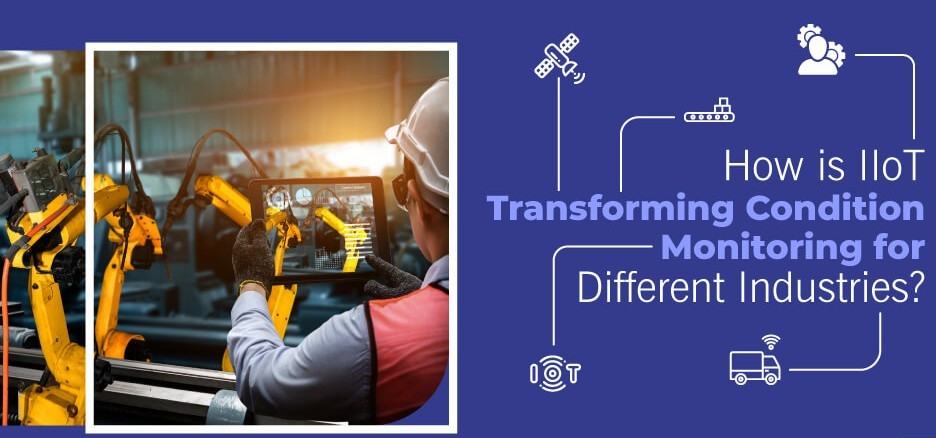
Powered by Industry 4.0, IIoT next-gen efficiency fueling innovation, reducing costs, and transforming operations.
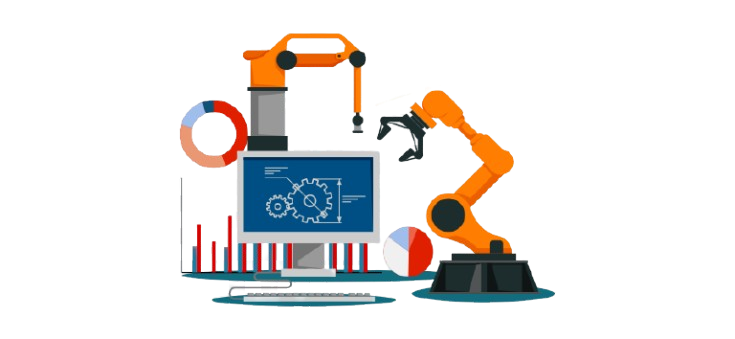
Real-time insights, automation, AI-driven quality control, and supply chain visibility power smarter manufacturing with IIoT.
Energy systems are optimized through smart grid monitoring, remote asset tracking, and predictive analytics to boost efficiency and reduce waste.

Smart healthcare evolves with real-time medical device monitoring, automated compliance in pharma, and AI-driven diagnostics and maintenance.
IIoT transforms logistics with real-time fleet tracking, automated warehouses, and AI-powered demand forecasting for smarter inventory management.
IIoT empowers energy operations with remote monitoring, leak detection, and AI-driven asset performance analytics for safer, efficient outcomes.

IIoT enables smart farming through real-time monitoring, AI-driven yield prediction, and optimized resource management across supply chains.
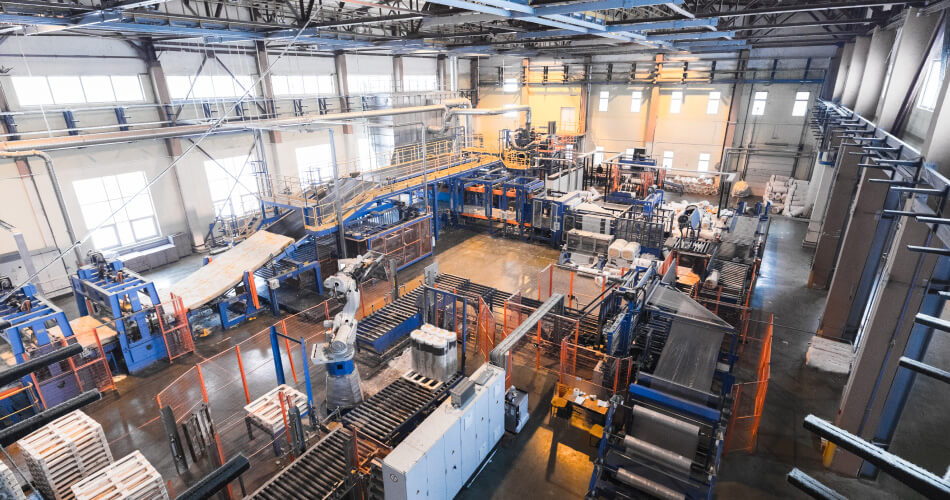
The manufacturing industry uses countless pieces of equipment, both heavy and light, which require timely checks and monitoring. With the help of sensor-based connectivity, IoT technology is bringing a boom in the manufacturing industry as it makes it easier for managers to increase manufacturing uptime. This ensures better efficiency and asset health, followed by perks like instant decision-making and progress towards a better future. The manufacturing sector is adopting modern technology like IoT to monitor machine health and connect critical equipment to analyze machine vibration, noise, fuel utilization, etc. This enables the digital transformation of the entire industry, which contributes significantly to the specific needs of the industrial processes.

The implementation of IoT technology in transportation is automating the industry with great advancements. From sensorizing the vehicle to smart contracts, everything is being digitized to enable progressive industrial growth. With about trillions of IoT devices interconnected with each other, the internet of things is indeed becoming the most useful technology in terms of data analytics, data visualization, simplified data format, automation, and others. The transportation industry includes various assets like vehicles, cargo, warehouses, etc., which require regular checks. It offers real-time checks upon the tire pressure, fuel consumption practices, vehicle’s health, along with the route information for the driver.
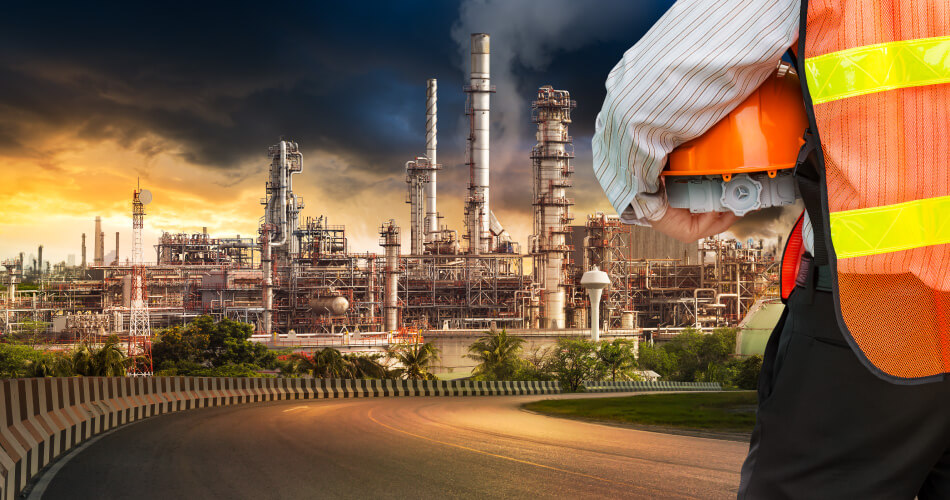
Adopting IoT-based solutions in the oil and gas industry primarily improves safety and amplifies profits at significant levels. Moreover, it greatly impacts the industrial processes with real-time asset tracking and predictive maintenance, providing detailed information in the most simplified visual ways. $3.9 trillion to $11.1 trillion by the end of the year 2025. With such a great economic impact, the oil and gas industry is all set to leverage IoT-based solutions for better growth. This encourages the industrialists to transform their businesses onto an advanced platform and take a leap towards better prospects. Moreover, IoT condition monitoring in the petroleum sector offers better options to keep in sync with the required condition parameters like temperature and humidity, which cumulatively predict the health of the equipment.
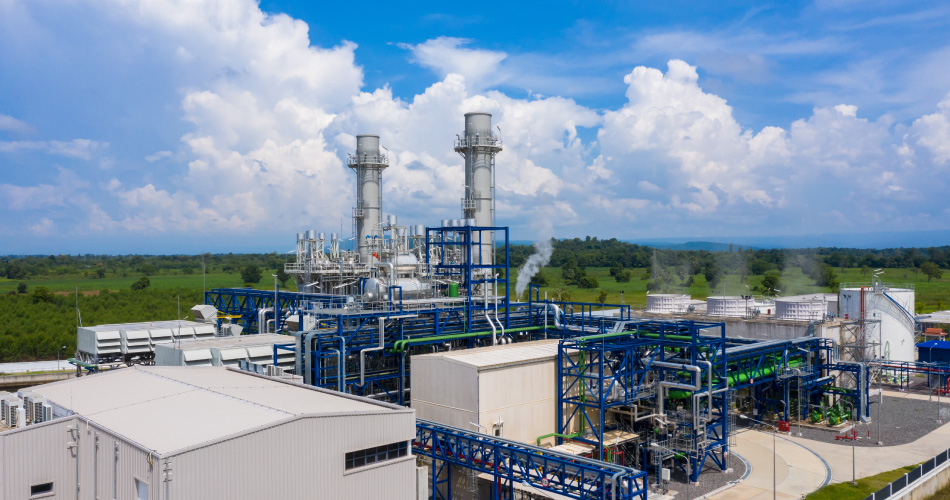
Condition monitoring is an advanced concept that uses IoT capabilities to offer businesses unique opportunities to assess the health of heavy machinery and other vital components without the need to schedule regular maintenance. This saves a lot of time for the managers and offers great services to stay updated all the time. Furthermore, IoT condition monitoring allows the managers to monitor the machinery while operating, thus reducing the downtime and ensuring quality work. Moreover, using an IoT-based condition monitoring solution for the power industry is an advanced method of preventing equipment failure and maximizing the uptime of Machines. Condition monitoring usually relies on visual data gathered from multiple sensors integrated within a software system that provide effective and accurate results.
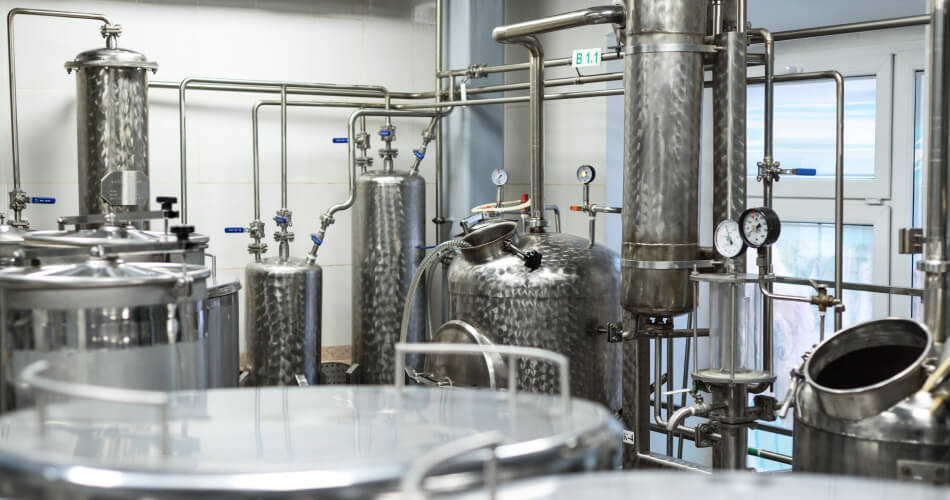
IoT in the beverage industry is moving ahead with the advancements in sensor devices and functionality. It is becoming the most popular technique to keep a real-time check on the level and volume of the beverage. Considering the use of huge containers and different sized tanks in the beverage businesses, industrialists seek a complete solution that determines the health condition of the equipment used in the industry. Thus, it helps the industries to stay competitive and produce quality foods. This helps provide a clear picture of how the equipment is performing and where proper attention is required.

Join 10k+ people to get notified about new posts, news and updates.
Do not worry we don't spam!